giving

Group fundraising primer

July 18th, 2007

Too much going on at the moment to blog consistently, which is a pity given that I’ve lots of things to say, regarding Facebook et al.

Anyway, this SlideShare version of Peter Deitz’s powerpoint presentation from yesterday’s webinar, Group Fundraising 101: From Benchmarks to Success Stories does a pretty excellent job of reviewing the current (and rapidly evolving) “Group fundraising” landscape.


Peter defines Group Fundraising as:

The process of gathering money and other gifts in kind over the internet,

by empowering individuals to covey the value of a program or project to prospective donors of their own choosing

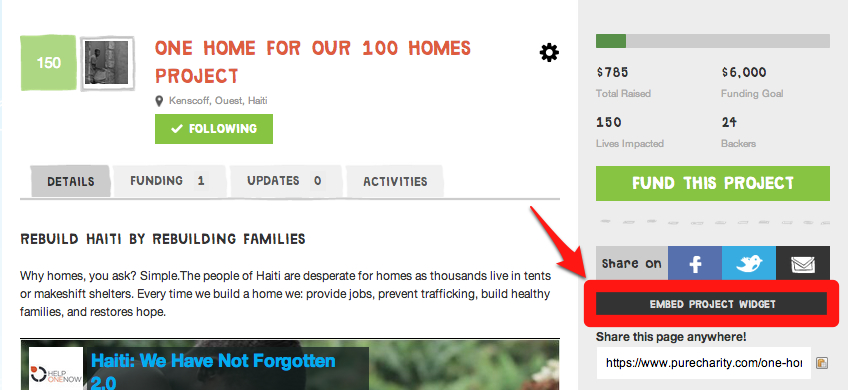
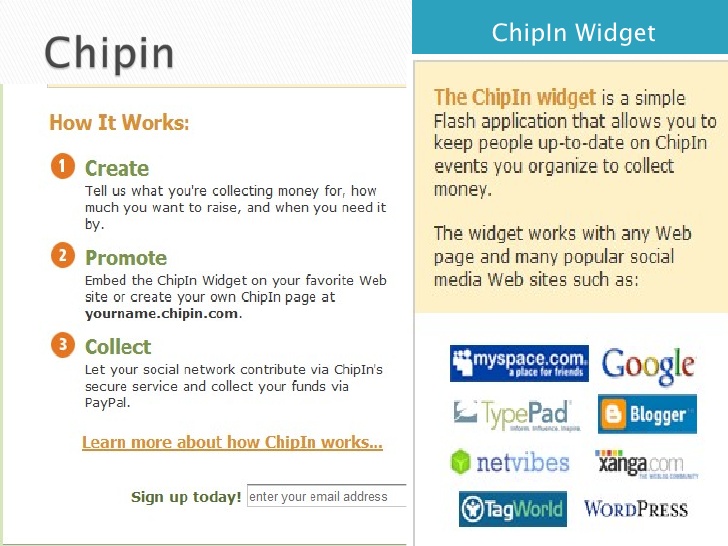
through the use of blogs, widgets, images, video and social networking websites.

Technorati group fundraising, personal fundraising

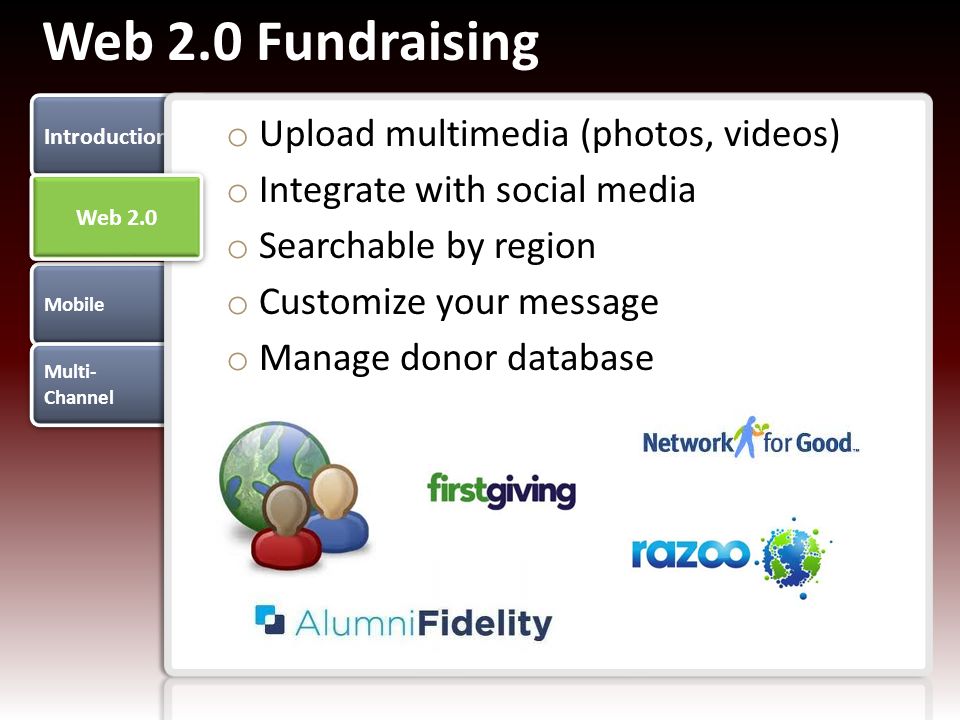
My Fundraising 2.0 presentation

June 9th, 2007

On Tuesday (…it already seems much longer than that), I facilitated an “online fundraising” workshop for a number of wonderful development NGO-people in Brussels. We were all attending the Euforic AGM. Scarily, a few photos have appeared on Flickr.

Not sure how much sense my presentation will make without the narrative, but here it is anyway:


I peppered the session with examples of charities (and donors) already using social media to raise money for their causes. Participants raised some challenging questions. So challenging in fact, that I need to chew on these for a bit before I can adequately respond. And I didn’t really have time to work in my re-mix of David Wilcox’s card game. I have that for another time.

It was great to meet and talk with fellow blogger Paolo Ferrara, along with Agnes Philippart and Andreas Vogt of Concord.

All told, a whirlwind (and almost sleep-deprived) 24-hours, but I did manage an evening stroll around the Grand Place, fuelled by some Belgian sausages and washed down with a glass or two of Chimay Bleu in the company of Nancy White and Joitske Hulsebosch…to name just two. Many thanks to Peter Ballantyne for the invite, and to Birthe Paul and Martin Behrens for making it easy for me on the day.

Here’s the Slideshare link, in case the presentation doesn’t load.

Technorati concord, euforic, fundraising, giving

Blogging the impact of giving

May 31st, 2007

Suddenly Sudan blog screenshot

Thanks to Steve Andrews of Whitewater for this post pointing to a terrific example of how Médecins sans Frontières (MSF) is using blogs to put donors directly in touch with the work they’re supporting.

Canadian doctor, James Maskalyk, is working for MSF in Abyei, Sudan. He is writing a blog about his experiences. It’s truly inspirational stuff; particularly because it comes directly from him in real time, not in a sanitised quarterly charity newsletter. He shares his doubts, his fears, his hopes and his triumphs. He happens to write beautifully, but it doesn’t matter when he leaves uncorrected typos or uses poor grammar. Because it’s real.

Here’s the link to Dr. Maskalyk’s MSF blog.

One commenter / donor wrote:

I have been a monthly donor to MSF for some time. On Tuesday, I will ramp up by contribution, because I have a house, a job, a healthy beautiful sometimes-maddening daughter, a garden, rain, food - and hope. I wish I could give those things to the mother whose baby you tried to save. I cannot, so I will do what I can.

Steve titles his post “Real Close”, which I think is right on the money.

Technorati blogging, msf, net2, social impact, sudan

Leveraging social networking to influence change
March 20th, 2007

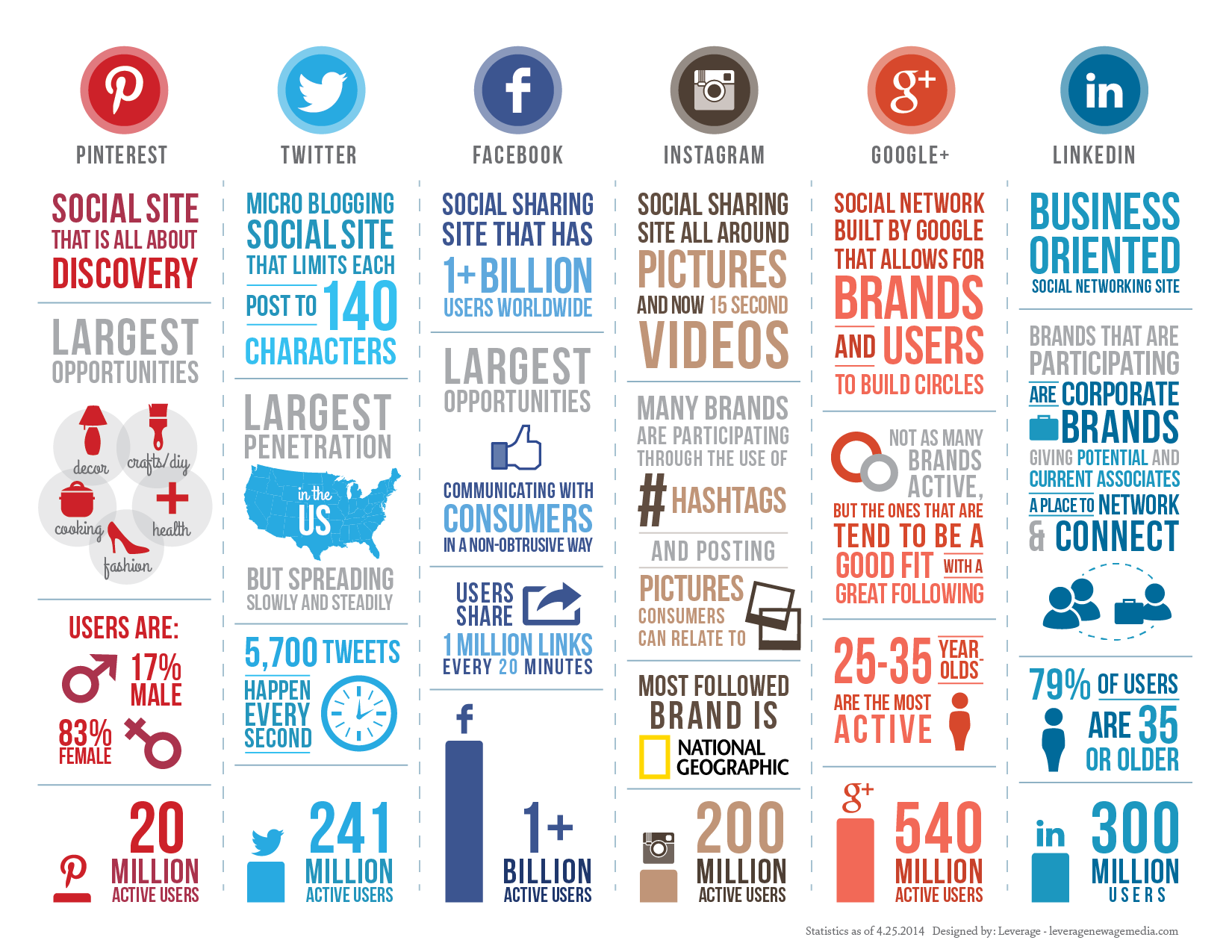
PR Blogger Stephen Davies thinks we’ll start to see a fragmentation of social networks. As people begin to tire with the vast, general nature of MySpace et al, they may migrate to niche social networks that are more relevant to them, their passions and their lives.

He asks:

So what does it mean for brands? Niche social networks can be tapped into for more relevancy in online engagement. For example, which platform makes the most sense for a brand like Pedigree? Bebo or DoggySnaps?

Stephen continues…

But identifying the right platform is just the minor part. It’s how you engage with the users in a creative, respectful and non-intrusive manner which will be the key to a successful online PR campaign…

Spot on, Stephen. I’ll come back to that.

Interestingly, there is already some activity in the ’social networks for change’ space. Change.org launched last month, and Cauzoo.com will be “a space where you can promote your passion, rally for a cause, and raise money for charities in a variety of different ways.”

change-cauzoo.jpgAnd then there’s Carebadges… who do it with widgets.

It’s early days, but I’m not totally convinced that these social networks are themselves authentic enough: they seem a little forced… activism for activism’s sake (not that there’s anything wrong with that particularly). I’m not sure about the lack of focus though - well, unless you’re an activist first, and something else second.

You need to get close to where your supporters are (and their distributed network)… which is why DoggySnaps is so good.

Moving on… I’ve harped on before about how I registered the mycauses.org.uk domain and how I hoped one of the players in the social networking space would create a “My Causes” tab in their members’ profile pages.

LinkedIn for Good

Well, I’m pleased to see that LinkedIn has moved a step in this direction, and should be applauded - thanks to Kerri Karvetski for the tip-off.

LinkedIn for Good

The first not-for-profit to benefit from a presence on LinkedIn is Médecins Sans Frontières.

It looks pretty good… up to a point! I feel it’s only a start though, as this still has the feel of what you might call a “networked giving” and nothing more - in other words, too much focus on fundraising.

The implementation on a member’s profile page (see below) could be improved. I’m not sure that “Member” is entirely accurate in this context either.

linkedin-group.pngWhat if I want a different kind of relationship with a not-for-profit… or with a cause with which I identify for some reason?

LinkedIn members are - on the whole - accustomed to having more of a voice. In fact, I believe that LinkedIn will discover that members will desire a 360 degree relationship with not-for-profits.

LinkedIn feels entrepreneurial. There’s real potential here I think for the not-for-profits to engage members of the LinkedIn network in a relationship that goes beyond giving. Think of members of LinkedIn as potential ambassadors for your cause.

I might be able to indicate in my profile that a preference for becoming a virtual volunteer and trustee.

As Jeff Brooks writes, donors can also give:

  • Information: ranging from market insight to specialized professional knowledge.
  • Voice: the ability to speak for you in many ways.
  • Influence: the ability to help things go your way.

And of course, donations will surely follow.

The 9m+ members of LinkedIn must carry a fair bit of clout between them. You’d think it would be pretty unstoppable if this collective intelligence - already into thinking about network-building and showing leadership in a networked world - could be harnessed to support individual actions through the social network, even to find solutions to problems.

I can actually foresee new agile social enterprises springing up from a network like LinkedIn… united by their ability to connect to others with shared passions, complementary skills, and a vision to change things. And I’m sure there’s a link here with the creation of like the Omidyar Network and Kiva.

The Simplicity of Social Networks by Dan Cooney - published with permissionThere, I’ve just this minute received an email from LinkedIn’s Dave Sanford (thanks for getting back to me, Dave), so this post should serve as a good discussion opener!

Returning to the DoggySnaps example… what started as a photo-sharing community has the potential to evolve into a dynamic social network.

Niche, yes… but it can extend the reach of the Dogs Trust, the not-for-profit behind it.

(Related post: my DoggySnaps interview).

Update: See Dave Sanford’s response, below…

Technorati doggysnaps, linkedin, mycauses, net2, niche social networks, nptechuk

The Next Big Thing in fundraising: saying thank you

March 15th, 2007

We can learn a lot from our kids… and how they say thank you. I’m no exception.

But Whitewater’s Steve Andrews says it perfectly:

Saying ‘thank you’ is one of the best opportunities you have to inspire your donors, to make them feel fantastic about their decision to give.

I urge you to read Steve’s post.

Another ‘must read’ blogger, Jeff Brooks, touched on a similar theme recently:
Photo courtesy Eunice XR Lai

If you want full value from donors, you need to engage them in a relationship and conversation.

Treating donors as human beings. There’s a concept.

Reminds me of something a kid once said to me at youth club. He fancied himself as a bit of a bully. He said something to me in an attempt to provoke a response. I ignored him. He got huffy, got his words muddled up and barked, “You’re talking to a brick wall”. I think he meant to say something else. Anyway, we were teens. It was a long time ago.

People have long memories.

Technorati fundraising, giving, whitewater