
causes

Group fundraising primer

July 18th, 2007

Too much going on at the moment to blog consistently, which is a pity given that I’ve lots of things to say, regarding Facebook et al.

Anyway, this SlideShare version of Peter Deitz’s powerpoint presentation from yesterday’s webinar, Group Fundraising 101: From Benchmarks to Success Stories does a pretty excellent job of reviewing the current (and rapidly evolving) “Group fundraising” landscape.


Peter defines Group Fundraising as:

The process of gathering money and other gifts in kind over the internet,

by empowering individuals to covey the value of a program or project to prospective donors of their own choosing

through the use of blogs, widgets, images, video and social networking websites.

Technorati group fundraising, personal fundraising

Leveraging social networking to influence change
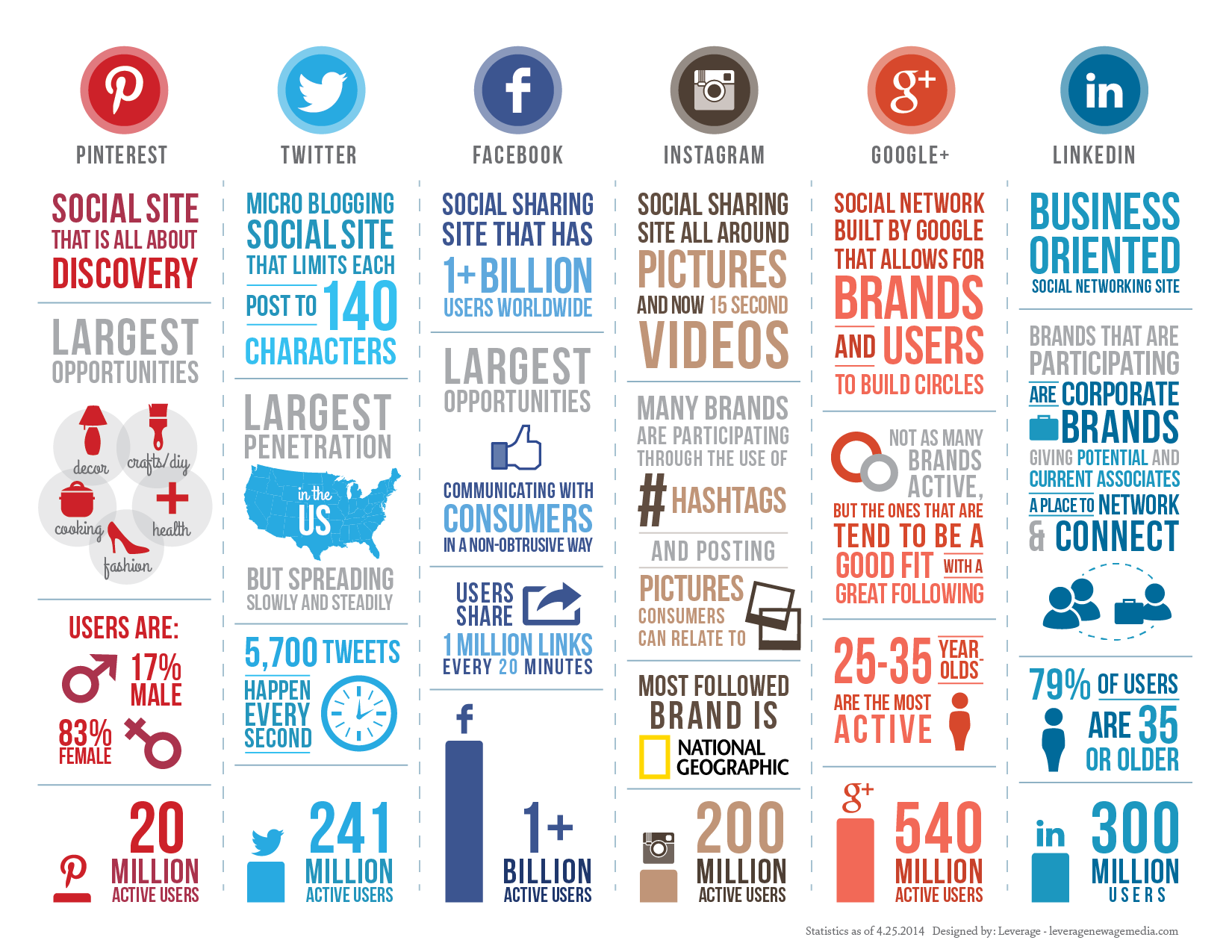
March 20th, 2007

PR Blogger Stephen Davies thinks we’ll start to see a fragmentation of social networks. As people begin to tire with the vast, general nature of MySpace et al, they may migrate to niche social networks that are more relevant to them, their passions and their lives.

He asks:

So what does it mean for brands? Niche social networks can be tapped into for more relevancy in online engagement. For example, which platform makes the most sense for a brand like Pedigree? Bebo or DoggySnaps?

Stephen continues…

But identifying the right platform is just the minor part. It’s how you engage with the users in a creative, respectful and non-intrusive manner which will be the key to a successful online PR campaign…

Spot on, Stephen. I’ll come back to that.

Interestingly, there is already some activity in the ’social networks for change’ space. Change.org launched last month, and Cauzoo.com will be “a space where you can promote your passion, rally for a cause, and raise money for charities in a variety of different ways.”

change-cauzoo.jpgAnd then there’s Carebadges… who do it with widgets.

It’s early days, but I’m not totally convinced that these social networks are themselves authentic enough: they seem a little forced… activism for activism’s sake (not that there’s anything wrong with that particularly). I’m not sure about the lack of focus though - well, unless you’re an activist first, and something else second.

You need to get close to where your supporters are (and their distributed network)… which is why DoggySnaps is so good.

Moving on… I’ve harped on before about how I registered the mycauses.org.uk domain and how I hoped one of the players in the social networking space would create a “My Causes” tab in their members’ profile pages.

LinkedIn for Good

Well, I’m pleased to see that LinkedIn has moved a step in this direction, and should be applauded - thanks to Kerri Karvetski for the tip-off.

LinkedIn for Good

The first not-for-profit to benefit from a presence on LinkedIn is Médecins Sans Frontières.

It looks pretty good… up to a point! I feel it’s only a start though, as this still has the feel of what you might call a “networked giving” and nothing more - in other words, too much focus on fundraising.

The implementation on a member’s profile page (see below) could be improved. I’m not sure that “Member” is entirely accurate in this context either.

linkedin-group.pngWhat if I want a different kind of relationship with a not-for-profit… or with a cause with which I identify for some reason?

LinkedIn members are - on the whole - accustomed to having more of a voice. In fact, I believe that LinkedIn will discover that members will desire a 360 degree relationship with not-for-profits.

LinkedIn feels entrepreneurial. There’s real potential here I think for the not-for-profits to engage members of the LinkedIn network in a relationship that goes beyond giving. Think of members of LinkedIn as potential ambassadors for your cause.

I might be able to indicate in my profile that a preference for becoming a virtual volunteer and trustee.

As Jeff Brooks writes, donors can also give:

  • Information: ranging from market insight to specialized professional knowledge.
  • Voice: the ability to speak for you in many ways.
  • Influence: the ability to help things go your way.

And of course, donations will surely follow.

The 9m+ members of LinkedIn must carry a fair bit of clout between them. You’d think it would be pretty unstoppable if this collective intelligence - already into thinking about network-building and showing leadership in a networked world - could be harnessed to support individual actions through the social network, even to find solutions to problems.

I can actually foresee new agile social enterprises springing up from a network like LinkedIn… united by their ability to connect to others with shared passions, complementary skills, and a vision to change things. And I’m sure there’s a link here with the creation of like the Omidyar Network and Kiva.

The Simplicity of Social Networks by Dan Cooney - published with permissionThere, I’ve just this minute received an email from LinkedIn’s Dave Sanford (thanks for getting back to me, Dave), so this post should serve as a good discussion opener!

Returning to the DoggySnaps example… what started as a photo-sharing community has the potential to evolve into a dynamic social network.

Niche, yes… but it can extend the reach of the Dogs Trust, the not-for-profit behind it.

(Related post: my DoggySnaps interview).

Update: See Dave Sanford’s response, below…

Technorati doggysnaps, linkedin, mycauses, net2, niche social networks, nptechuk

Whose cause is it anyway?

February 9th, 2007

Yet again Kathy Sierra is right on target; She writes…

People ask me… How can I get our employees to be passionate about the company?” Wrong question. Passion for our employer, manager, current job? Irrelevant. Passion for our profession and the kind of work we do? Crucial. If I own company FOO, I don’t need employees with a passion for FOO. I want those with a passion for the work they’re doing… The company should behave just like a good user interface - support people in doing what they’re trying to do, and stay the hell out of their way.

Photo courtesy Guillermo Díaz de LeónSubstitute “passionate about the company” with “passionate about the charity”.  We need passion for the cause, passion for delivering real benefits to stakeholders.

Charity employees (and volunteers) need to be outward-looking, rather than inward-looking.

In my buzz director post a few months back, I put it like this:

If you see the never-ending strategic review dragging your new colleagues down, remind them of the reasons they joined your organisation in the first place. Get them passionate (and close) to your cause once again. Share their passion. Be energetic. Be useful.

Make a difference.

By Steve Bridger filed under causes

Technorati causes, kathy sierra, passion

For Art’s sake… Buy a Brushstroke

January 22nd, 2007

Tate Britain is asking the public to help save one of JMW Turner's finest watercolours for the nation

In an effort to keep one of JMW Turner’s greatest paintings in the UK, the Tate and The Art Fund hope to raise at least £300,000 from the public via phone, postal donations and by donating £5 to “buy a brushstroke” online.

Tate needs to find a total of £4.9m (US$9.7m), and has allocated a record £2m to the purchase of The Blue Rigi, which represents 3 years’ interest from its endowment fund for the purchase of art. The Art Fund charity has added a further £500,000.

The BBC reports that a public appeal launched last month must raise the remaining £2.4m before 20 March, when the temporary export bar placed on the work by Culture Minister, David Lammy, will expire and the painting would be allowed to leave the country.

Several leading artists, including David Hockney, Peter Blake and Rachel Whiteread, have bought ‘brushstrokes’ to support the appeal.

As part of the campaign to save The Blue Rigi for the nation, for the first time ever the Tate has united Turner’s great Rigi watercolours. Painted in the Spring of 1842, The Blue Rigi will be shown alongside two companion pieces, The Red Rigi and The Dark Rigi, which capture the Swiss mountain at different times of day. The exhibition at Tate Britain opens today and will run until 25 March 2007.

Unlike “Your Name On Toast”, which I wrote about recently, this doesn’t quite add up to a ‘traffic pyramiding’ scheme, as you cannot ‘link’ your purchased brushstrokes through to your website. I just hope the appeal is as successful as Alex Tew’s efforts to help pay his way through university with his Million Dollar Homepage.

By Steve Bridger filed under causes, giving

Technorati buy a brushstroke, jmw turner, tate, the art fund, the blue rigi

Online activism in a fragmented world

January 9th, 2007

Just back from Baristas (terrific vanilla latte) where George and the team proudly sport “Make Starbucks History” t-shirts (as captured by caffeine buddy Ed Mitchell).

This got me thinking…

First, I was reminded of something Heather Green wrote in the Business Week blog last week. Heather noted how activism “splintered” to pursue different interests during the 1980s and 1990s. But now, she continued…

Because of the Internet, the different activist groups and NGOs can still be dedicated to their specific cause, but can coordinate on broad goals or campaigns when they want.

So on one hand you’re seeing fragmentation, but on the other, you’re seeing effective coordination.

On a small scale, the Starbucks Challenge, takes the form of always asking for fairtrade coffee when in-store. On a much larger scale, the online activity behind Make Poverty History - one of the most widely supported and recognised campaigns in recent years - stands out as an example of how to effectively devolve the distribution of campaign messages to a supporter base… to build a movement.

There have been other interesting examples such as the Jubilee 2000 movement, which grew from small beginnings to become an effective international campaign. Not all coalitions are as effective; the Stop Climate Chaos campaign has (so far) failed to grab me… nor, more importantly, influence many headline writers. (Do movements need a figurehead? Discuss).

The issue of connecting dispersed supporters through new technologies was covered in more detail in the first of a series of ICT Foresight reports published by NCVO in October (and free to download from the NCVO website).

The inspirational Network-Centric Advocacy blog always has lots to say on such subjects. This caught my attention recently:

There is widespread recognition that positive change on a variety of big and small issues will need to be driven by loose networks of global and local activists connected together from global warming to the plight of trash pickers in the developing world…

…The raw components for transforming the way to “do” organizing are on the table and staring leaders in the face…

There is serious need to inspire a cadre of activists, strategists, campaigners and investors to shift real resources into this new model of activism. Our best thinkers need to move horsepower into thinking about networks, how to build them, how to assess them, training on leadership in a networked world, what can networks do and how to invest in them.

(Read the whole post; it’s worth your time.)

I organised campaigns in a previous life (Oxfam; 1988-91) and it hasn’t escaped me that I first think of global issues (at least before I became a Dad) before concerning myself with more achievable changes needed on my own doorstep. The age of connectivity is yet to make a serious mark on local politics and online activism. At least, not on my watch.

Zebra crossing photo courtesy Ade RowbothamLocal campaigns often start out with just one or two people determined to change things in their community, like the installation of a zebra-crossing.

We happen to need one at the north end of our village in North Somerset. To be honest, I’ve only recently become more aware of this since becoming a governor at my daughter’s infants’ school.

I thought that it would be relatively easy to find another local community which had already managed to get the authorities to install a crossing, perhaps as part of a safe routes to school campaign. Not so.

An obvious first place to look was the BBC’s Action Network, but there’s not an awful lot going on under the pedestrian crossings category. Maybe we need something like change.org, but for local issues. Looks like I may have to re-invent the wheel.

Finally (for now)… the always-readable Kathy Sierra posts her frustrations at how James Surowiecki’s “Wisdom of Crowds” concept has been twisted and abused to mean virtually the opposite: The Dumbness of Crowds.

Technorati activism, coalitions, dumbness of crowds, make poverty history